Warehouse managers often hear the same advice when order volumes increase:
Hire more people.
It sounds reasonable.
More orders mean more work, so more workers should solve the problem.
Sometimes they do.
But sometimes the warehouse keeps getting busier even after the workforce has increased.
The reason is simple: adding people does not automatically fix a poorly organized process.
This is especially true in e-commerce and apparel fulfillment, where thousands of small orders may need to be sorted every day.
Watch What Happens After Picking
Spend an hour watching a busy warehouse and you may notice something interesting.
Products are picked quickly.
Then they arrive at a sorting area.
And everything slows down.
Workers check labels. They look for the correct order. They move products between tables. They ask each other where an order belongs.
One worker may be holding ten items while looking for ten different order locations.
This is not necessarily a labor problem.
It is a workflow problem.
The Hidden Cost of Manual Sorting
Manual sorting does not only cost wages.
There are other costs that are much harder to see.
An operator walks 20 meters to find an order location.
Then walks back.
A product is placed in the wrong location.
Someone discovers the mistake ten minutes later.
An order is almost complete but one product cannot be found.
Packing has to stop.
These small delays happen repeatedly.
Individually, they seem insignificant.
Across 2,000 or 5,000 orders, they become expensive.
This Is Where a Put Wall Can Help
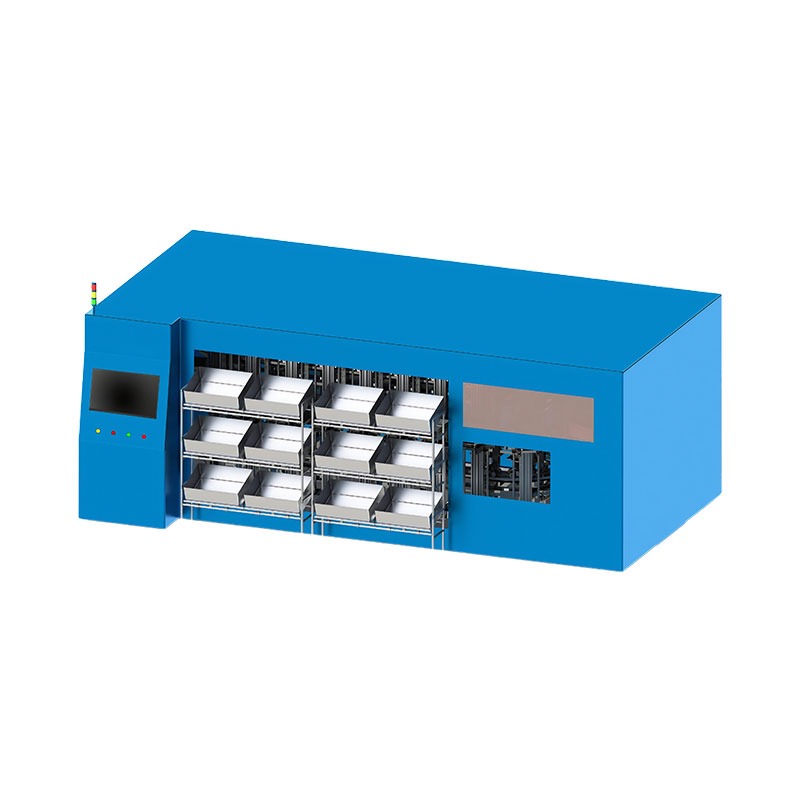
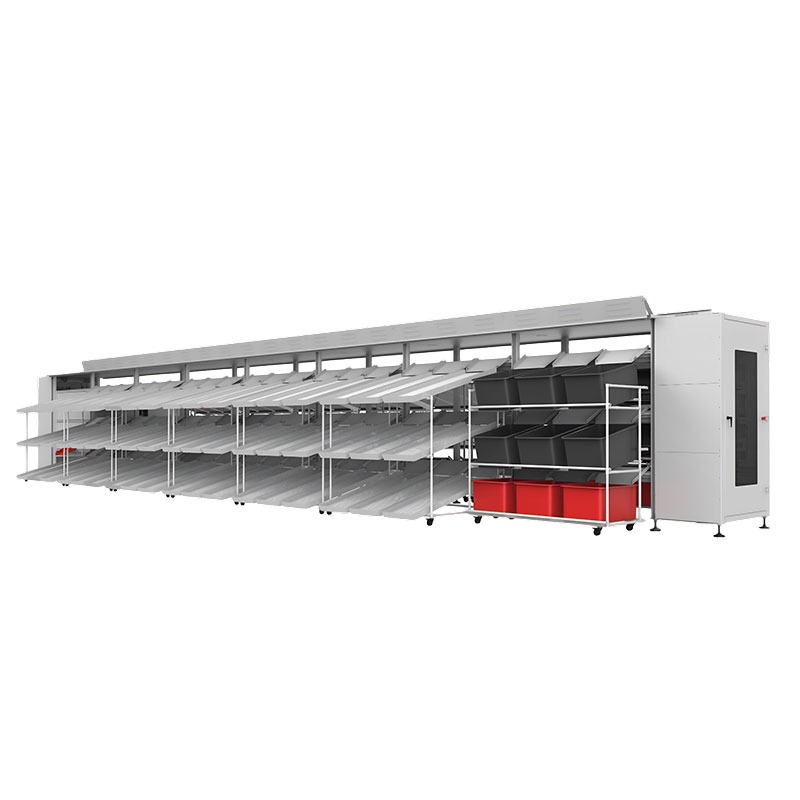
A put wall sorter creates a physical structure around the sorting process.
Instead of having products spread across tables or carts, orders have dedicated locations.
With barcode scanning, the system can identify the product and determine its destination.
With put-to-light technology, the correct compartment can be indicated directly to the operator.
The worker does not need to remember dozens of order numbers.
They simply follow the instruction and place the item in the right location.
It is a small change in the way people work, but it can remove a surprising amount of wasted movement.
What Happens When the Order Is Complete?
This is another advantage of a well-planned put wall.
A compartment can represent the complete order.
When all required items have arrived, the order can be identified as ready for packing.
The operator does not need to reconstruct the order from a pile of products.
The products are already together.
This is particularly useful when the average order contains only a few items.
More Automation Isn’t Always Better
There is a common misconception that a warehouse should automate as much as possible.
We don’t completely agree.
Automation should solve a problem.
If your warehouse processes 500,000 parcels a day, a high-speed automated sorter may be exactly what you need.
But if your main problem is that workers are spending hours consolidating small e-commerce orders, a put wall may be more appropriate.
The right equipment depends on the operation.
A Put Wall Can Grow With the Business
One reason put wall systems are popular with growing warehouses is their relatively straightforward structure.
You can design the sorting area around the current operation while allowing room for expansion.
More sorting positions can be added.
Additional scanning points can be introduced.
Put-to-light indicators can be added.
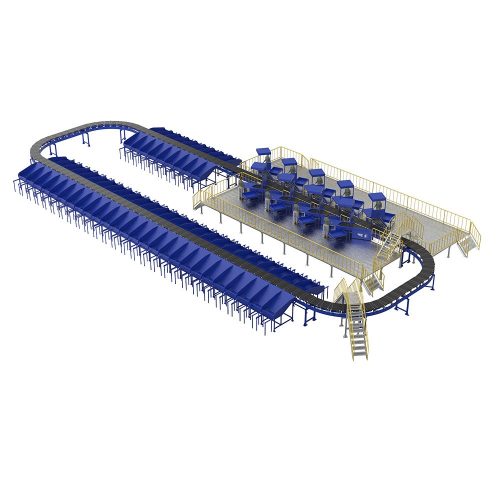
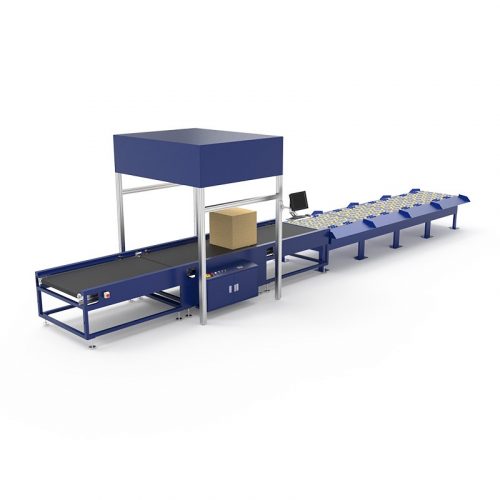
Conveyors can be connected later if the workflow requires them.
This makes the system less of an “all or nothing” automation project.
Before Hiring Another Ten People…
Try something different.
Walk through the sorting process with your warehouse team.
Ask them where they lose time.
Ask how often they have to search for an order.
Ask how many sorting mistakes happen in a normal week.
Ask how much walking is involved.
The answers may tell you more than a productivity report.
If sorting and order consolidation are the bottleneck, a put wall sorting system may be worth considering before simply adding more labor.
Because sometimes the fastest way to process more orders is not to work harder.
It is to make the work easier to do correctly.