How to Choose the Right Parcel Sorter for Your Warehouse
Choosing a parcel sorter is easier when you stop looking at the machines first.
Start with the parcels.
That may sound obvious, but it is one of the most important points in sorter selection.
A machine that works extremely well for one warehouse may be completely wrong for another.
Step 1: Understand Your Parcels
Make a simple list.
What is the smallest parcel?
What is the largest?
What is the lightest?
What is the heaviest?
Are there polybags?
Are there cartons?
Are there irregular items?
Do products arrive individually or in totes?
This information immediately eliminates some sorting technologies.
Step 2: Understand Your Volume
Don’t only provide average daily volume.
You need at least three numbers:
Average hourly volume
Peak hourly volume
Expected future volume
For example, a warehouse may process 4,000 parcels per hour normally but reach 7,000 during peak periods.
Designing the line for only 4,000 may create a problem later.
Step 3: Count Your Destinations
Where do the parcels need to go?
They might be sorted by:
Delivery route
Postal code
Store
Customer
Region
Carrier
Packing station
The number of destinations has a direct effect on sorter design.
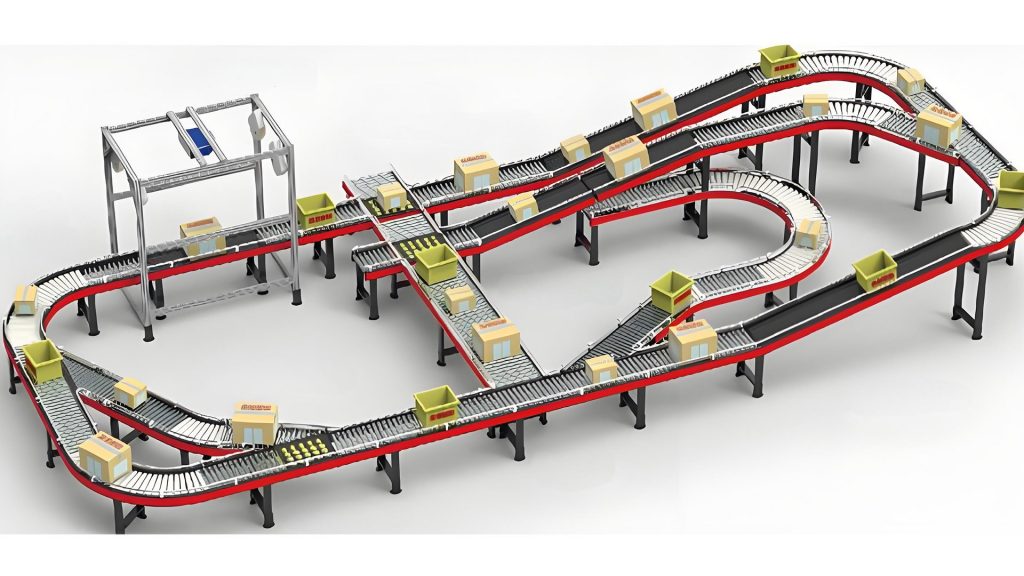
Step 4: Look at the Available Space
This is where many projects become interesting.
The perfect sorter on paper may not fit inside the building.
Columns, doors, loading docks, ceiling height and existing conveyors all matter.
A warehouse layout should therefore be reviewed before final equipment selection.
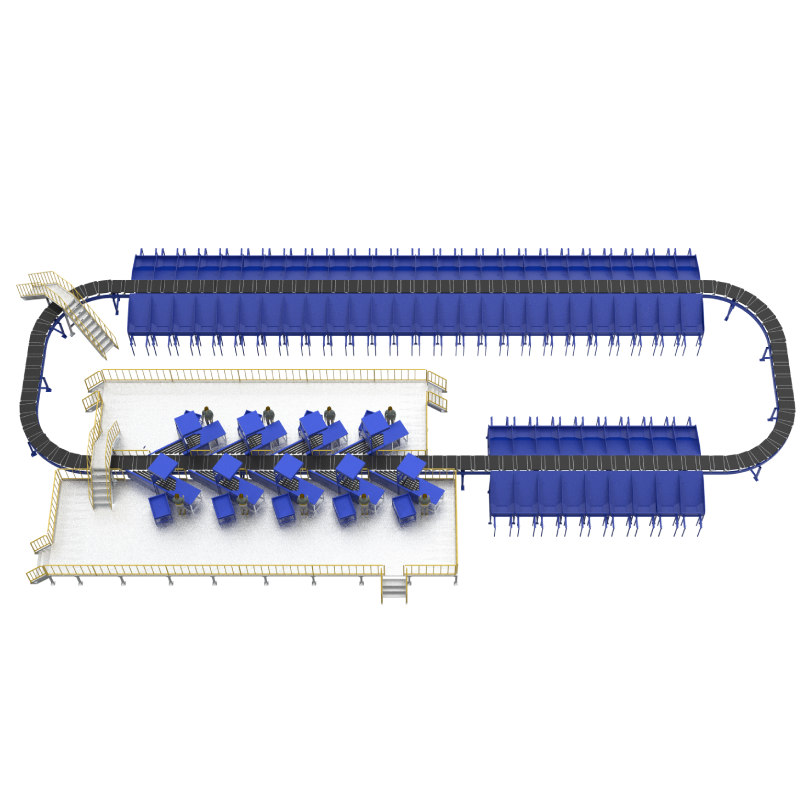
Step 5: Compare the Main Technologies
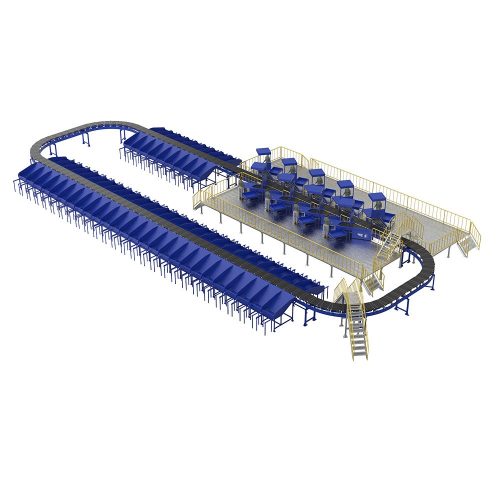
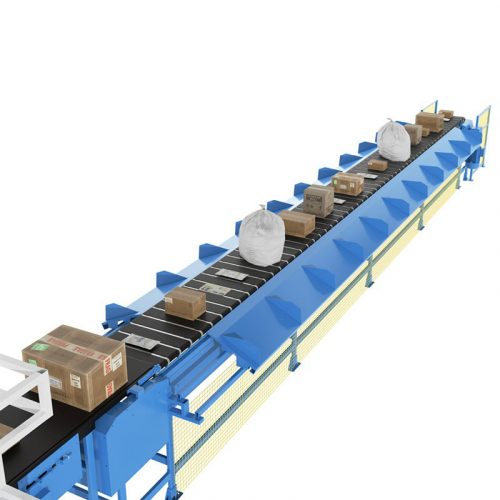
Cross Belt Sorter
Often considered for high-volume applications requiring many destinations and flexible product handling.
Narrow Belt Sorter
Can be attractive where space, product profile and investment requirements favor a compact conveying solution.
Tilt Tray Sorter
Often considered for high-volume applications involving suitable products that can be transported on trays and discharged by tilting.
Sliding Shoe Sorter
Commonly considered for high-volume carton and parcel sorting.
3D Sorter
Can be interesting for mixed parcel profiles and applications where flexible handling is important.
Put Wall
More suitable for order consolidation than high-speed parcel distribution.
The key is that these technologies are not interchangeable in every application.
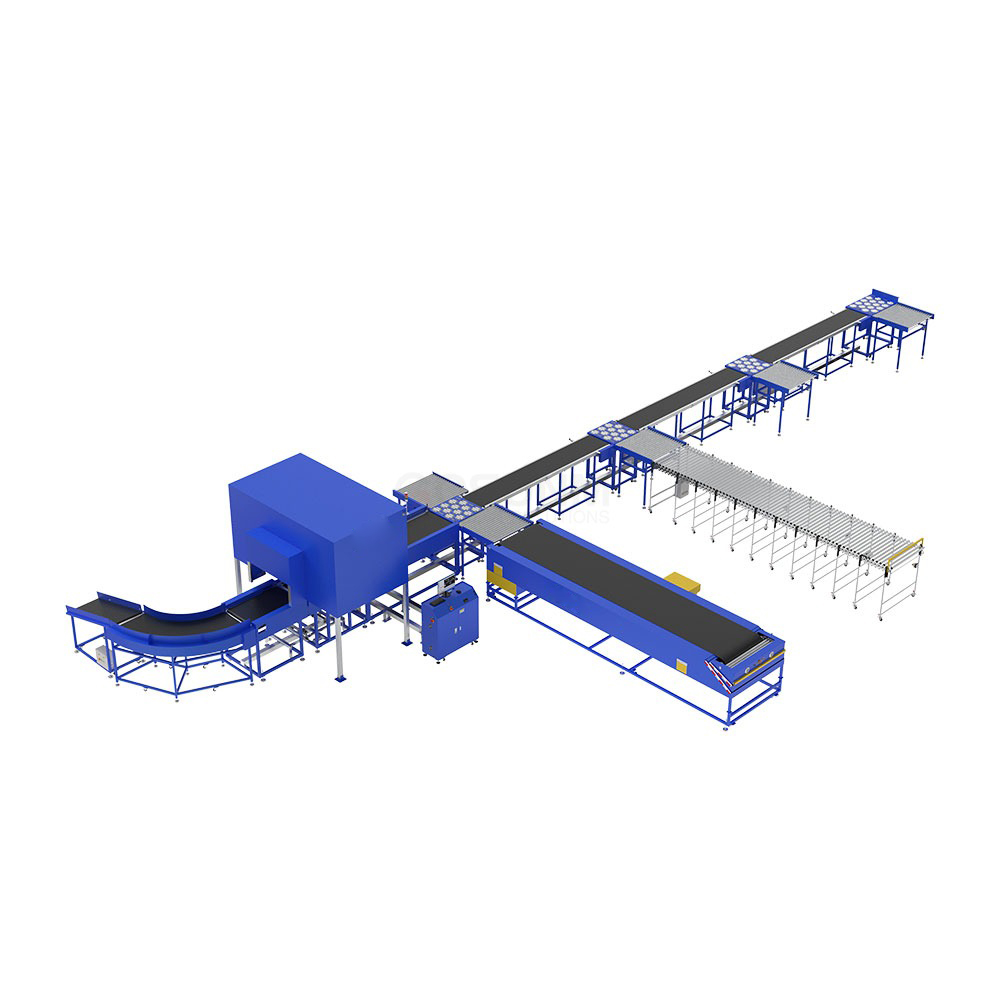
Step 6: Consider Induction
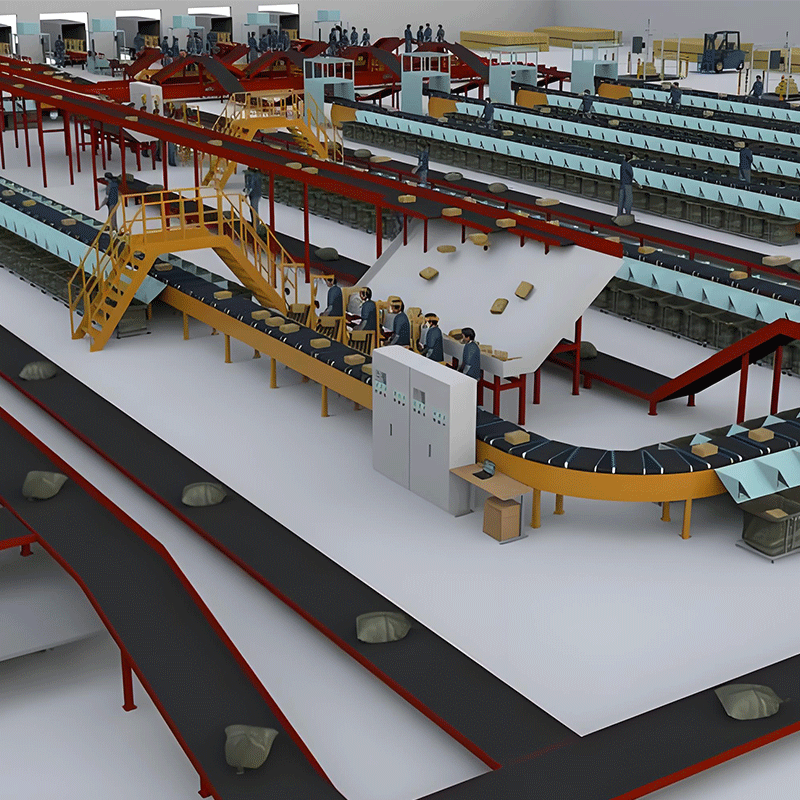
A sorter can only work as well as the induction process allows.
If parcels cannot be introduced consistently, sorter capacity will be limited.
Induction may involve manual loading, scanning, singulation and spacing.
This part of the line deserves as much attention as the sorter itself.
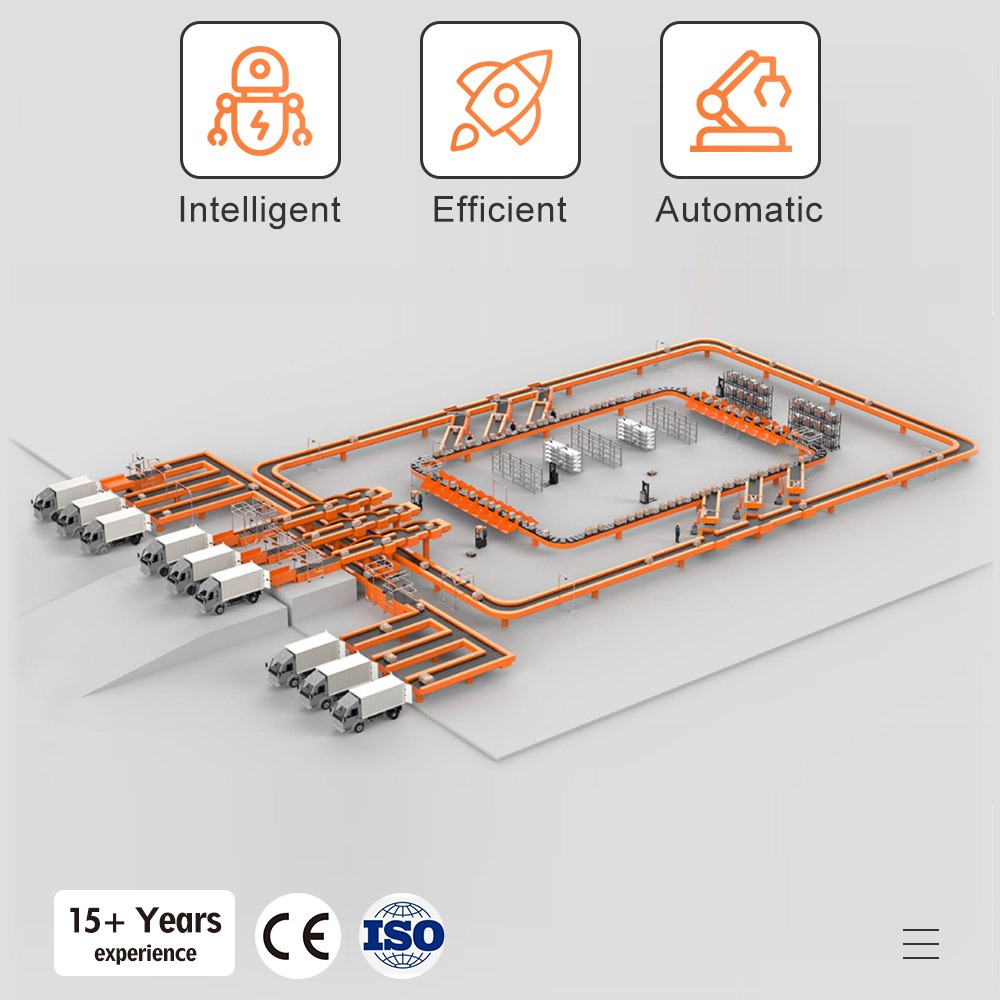
Step 7: Don’t Forget the Exit Side
Another common mistake is focusing entirely on the sorter.
Where do the parcels go afterward?
Do they go to packing?
To trucks?
To route-specific containers?
To another conveyor?
The destination area needs to have enough capacity to handle the sorted parcels.
Otherwise, the bottleneck simply moves downstream.
Step 8: Think About Maintenance
Ask the supplier:
How are wear parts replaced?
What spare parts should be kept locally?
How often does preventive maintenance need to be performed?
Can technicians troubleshoot the system remotely?
What training is provided?
These questions become very important after installation.
Step 9: Think About Expansion
Your warehouse may grow.
Can the sorter be extended?
Can more destinations be added?
Can additional conveyors be connected?
Can the control software handle future expansion?
Planning for growth at the beginning is usually cheaper than rebuilding the line later.
The Final Decision
There is no “best parcel sorter” in isolation.
There is only the best sorter for a particular operation.
If you provide a manufacturer with accurate information about your products, volumes, destinations, warehouse layout and future plans, the technology selection becomes much easier.
And if a supplier recommends a machine without asking about those things, that is probably a good reason to ask a few more questions before signing the purchase order.
A sorting line is a long-term investment.
It should be designed around the warehouse you actually operate—not the warehouse shown in a sales presentation.
MSR Package Sorting Solutions
Typically replies within minutes
Let’s Build Your Smart Logistics Solution Together