Buying an automated sorting line is only the beginning.
The real test starts after commissioning.
A sorter may run thousands of hours every year, moving thousands or even millions of parcels.
Like any industrial equipment, it needs regular maintenance.
The good news is that many problems can be prevented before they become production stoppages.
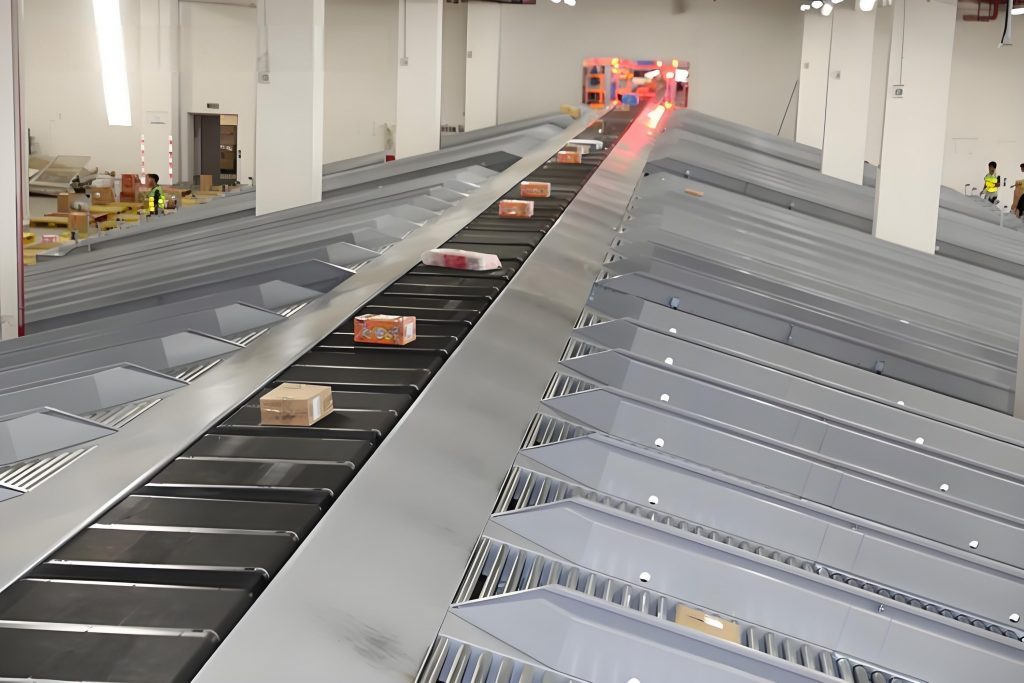
Start With Preventive Maintenance
Waiting for something to break is rarely a good maintenance strategy.
A preventive maintenance plan can include regular inspection of:
- Belts
- Rollers
- Bearings
- Motors
- Sensors
- Scanners
- Electrical components
- Mechanical fasteners
- Safety devices
The exact maintenance schedule depends on the equipment design and operating conditions.
Keep Sensors Clean
Sensors operate in a warehouse environment.
Dust, labels, packaging materials and other debris can accumulate over time.
A dirty sensor may create intermittent problems that are difficult to diagnose.
Regular inspection and cleaning can prevent some unnecessary faults.
Check Conveyor Components
Conveyors operate continuously.
Belts can wear.
Rollers can become noisy.
Bearings can deteriorate.
Alignment can change.
Small mechanical problems are easier to deal with before they become major failures.

Pay Attention to Unusual Noise
Operators often notice problems before a maintenance technician does.
A new vibration.
An unusual sound.
A belt behaving differently.
A motor running hotter than usual.
These signs should not be ignored.
Early intervention is often much easier than repairing a component after failure.
Keep Critical Spare Parts
Not every component needs to be stored in large quantities.
But critical parts should be identified.
Depending on the equipment, this may include:
- Sensors
- Belts
- Motors
- Bearings
- Electrical components
- Control components
- Wear parts
The correct spare-parts list should come from the actual equipment configuration.
Train Operators
Maintenance does not belong only to the maintenance department.
Operators should know how to identify basic problems.
They should understand:
- Emergency stops
- Basic fault messages
- Product jams
- Sensor problems
- Restart procedures
- Escalation procedures
This can reduce unnecessary downtime.
Monitor the Sorting Line
Modern equipment can provide useful operational information.
For example:
- Throughput
- Fault frequency
- Scanner performance
- Motor status
- Jam events
- Sorter utilization
Tracking these indicators over time can reveal changes in equipment condition.
Don’t Ignore Software
Automation maintenance is not only mechanical.
Control software, communication interfaces and configuration data also need appropriate backup and management.
Before changing control parameters, make sure the existing configuration is backed up.
What About Remote Support?
For international projects, remote technical support can be particularly useful.
A manufacturer may be able to help diagnose:
- Sensor faults
- Communication problems
- Control errors
- Parameter issues
This does not replace local maintenance, but it can shorten troubleshooting time.
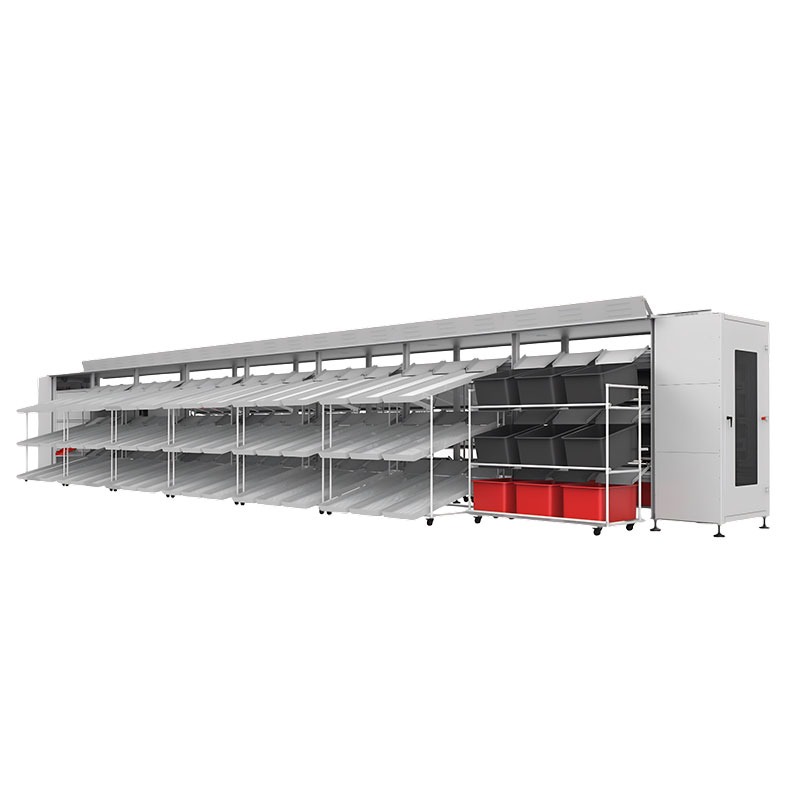
Reliability Starts During Design
Maintenance should be considered before the equipment is installed.
Ask:
Can wear parts be accessed easily?
Can components be replaced without dismantling large sections?
Are common spare parts available?
Is there enough maintenance space?
Are service procedures documented?
These details may not appear in a marketing brochure, but they can have a significant effect on the operating life of the sorting line.
A reliable sorting line is not simply one that works well when it is new.
It is one that can be maintained, repaired and supported throughout its working life.