Automated Parcel Sorting: What Modern Distribution Centers Should Know
For a small warehouse, sorting parcels is usually not complicated.
A few workers check the labels, separate the packages by destination, and move them to the next station.
The situation changes quickly when parcel volume grows.
At 5,000 parcels a day, manual sorting may already be tiring. At 20,000 or 50,000 parcels, it becomes much harder to maintain the same speed and accuracy simply by adding more people.
This is where automated parcel sorting becomes worth considering.
What Is Automated Parcel Sorting?
Automated parcel sorting is the process of identifying parcels and automatically directing them to different destinations.
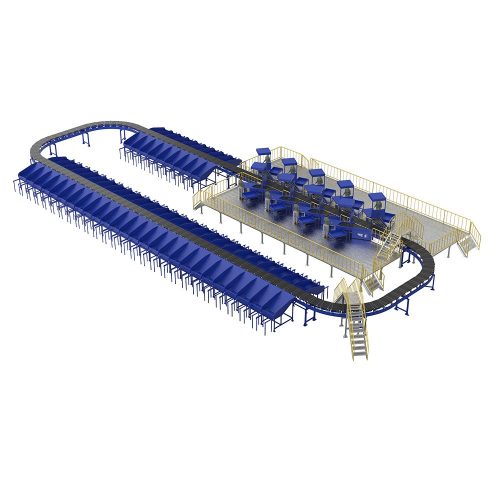
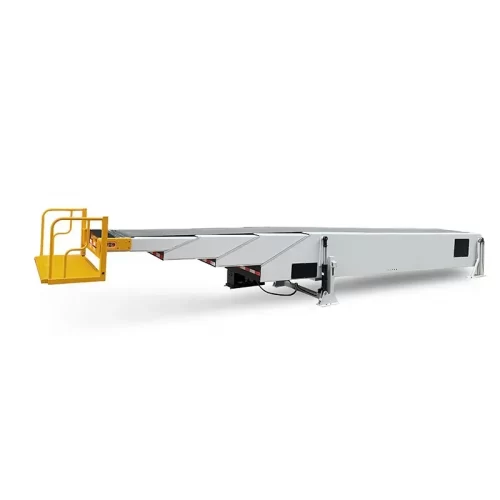
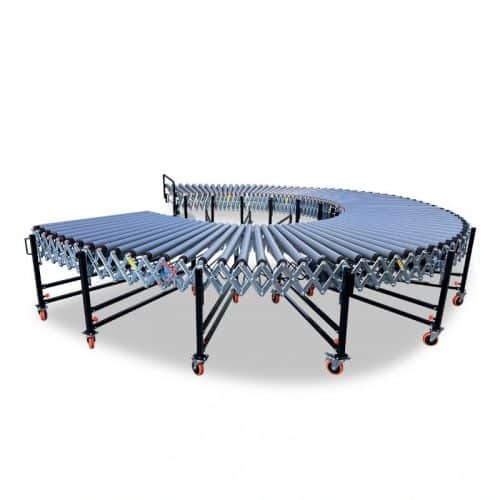
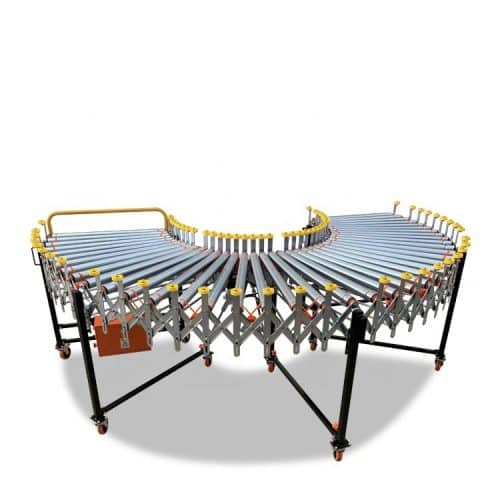
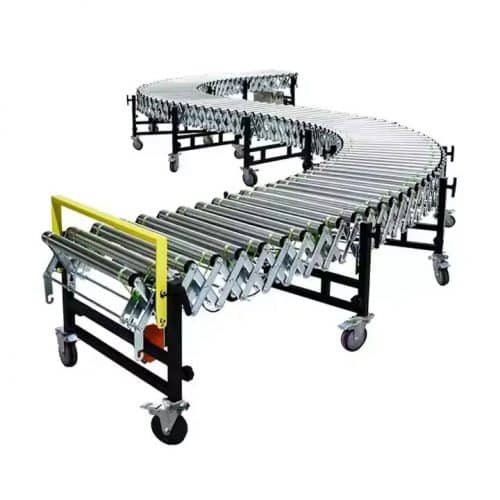
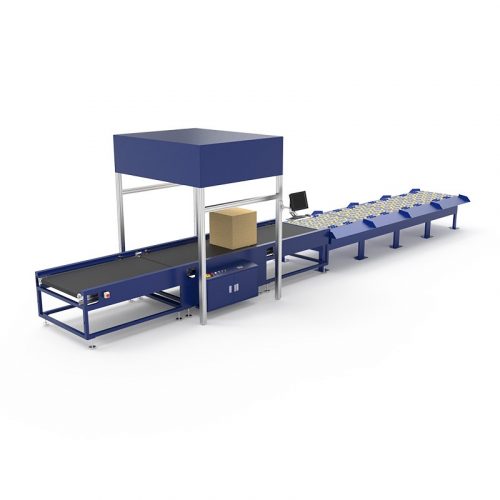
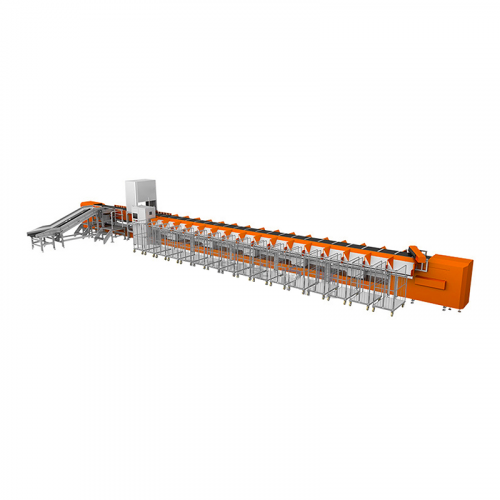
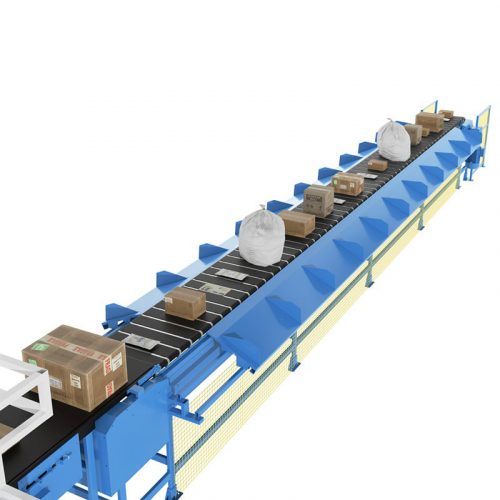
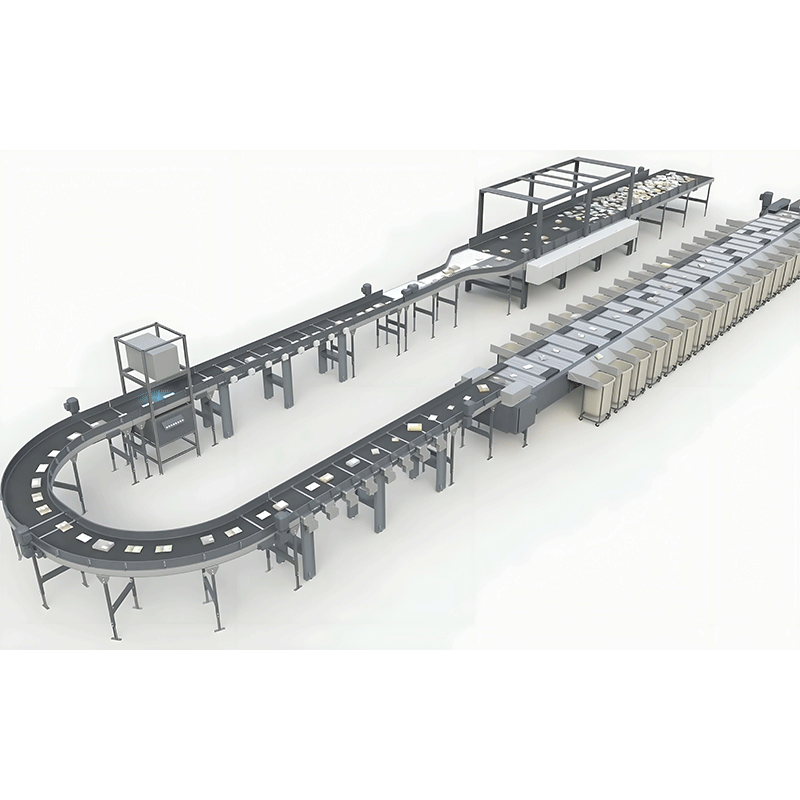
A typical sorting line may include conveyors, barcode scanners, dimensioning equipment, weighing equipment, induction stations and an automated sorter.
The complexity comes from making that process work reliably thousands of times every hour.
Why Do Distribution Centers Need Automated Sorting?
The biggest reason is not simply speed.
It is consistency.
A manual sorting operation depends heavily on people checking labels and moving parcels correctly. When volumes increase, fatigue and repetitive work can lead to mistakes.
An automated sorter can continuously perform the same sorting operation according to predefined rules.
This is particularly useful for:
Courier hubs
Express distribution centers
E-commerce fulfillment centers
Retail distribution centers
3PL warehouses
Parcel delivery networks
How Does a Parcel Sorting Line Work?
The first step is usually induction.
Parcels are placed onto a conveyor or directly onto the sorter.
A barcode scanner identifies the parcel and sends its information to the control system.
The sorting software determines where the parcel needs to go.
The sorter then directs the parcel to the corresponding chute or conveyor.
Different sorting technologies can be used depending on the application.
Common examples include:
Cross belt sorters
Narrow belt sorters
Tilt tray sorters
Sliding shoe sorters
3D sorters
Pop-up wheel sorters
There is no single sorter that is best for every warehouse.
What Should You Consider Before Automating?
Before choosing equipment, look at the parcels rather than the machine.
What is the smallest parcel?
What is the largest?
How heavy are they?
Are there polybags?
Are parcels rigid cartons?
How many destinations are required?
What is the average hourly volume?
What happens during peak season?
These details have a direct impact on sorter selection.
For example, a warehouse handling mostly small e-commerce parcels may need a very different solution from a distribution center handling large cartons.
Throughput Is Only One Part of the Picture
A supplier may tell you that a machine can process thousands of items per hour.
That number is useful, but it does not tell the whole story.
Actual throughput can be affected by induction speed, parcel spacing, scanning performance, chute design, parcel dimensions and the way products are presented to the sorter.
A sorting line should therefore be evaluated as a complete process rather than by looking at the nominal speed of one machine.
Does Every Warehouse Need Automated Sorting?
No.
Automation makes sense when the benefits justify the investment.
For a small operation with relatively low parcel volume, manual sorting may remain the most practical option.
As volumes increase, however, labor requirements, floor space and sorting errors can become more expensive than expected.
That is usually the point where automated sortation starts to make commercial sense.
The Right Question to Ask
The question is not:
“What is the fastest sorter available?”
A better question is:
“What sorting process fits our parcels, volume and warehouse layout?”
That answer will determine whether a cross belt sorter, narrow belt sorter, tilt tray sorter, sliding shoe sorter or another technology is appropriate.
Automated parcel sorting is ultimately about creating a predictable flow of goods through the warehouse.
When that flow is designed correctly, higher throughput is often the result—not the starting point.
MSR Package Sorting Solutions
Typically replies within minutes
Let’s Build Your Smart Logistics Solution Together