How Much Does an Automated Parcel Sorting Line Cost?
This is usually one of the first questions a warehouse manager asks.
“How much will the sorting line cost?”
Unfortunately, there is no useful single price.
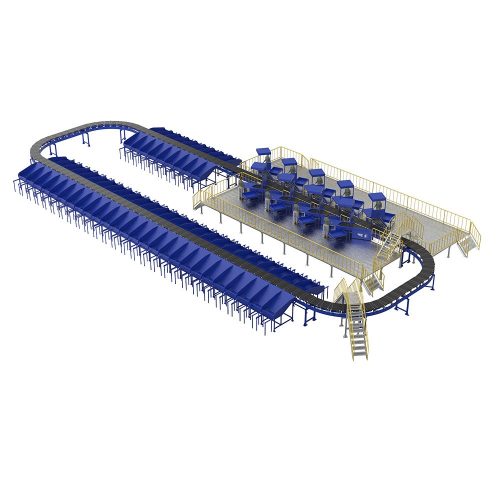
An automated parcel sorting line is not one machine. It is a combination of equipment designed around a particular warehouse, product mix and throughput requirement.
Two projects that look similar on paper can have very different costs.
What Determines the Price?
Several factors have a major influence.
1. Sorting Technology
A basic conveyor diverter and a high-speed cross belt sorter are obviously very different investments.
Possible technologies include:
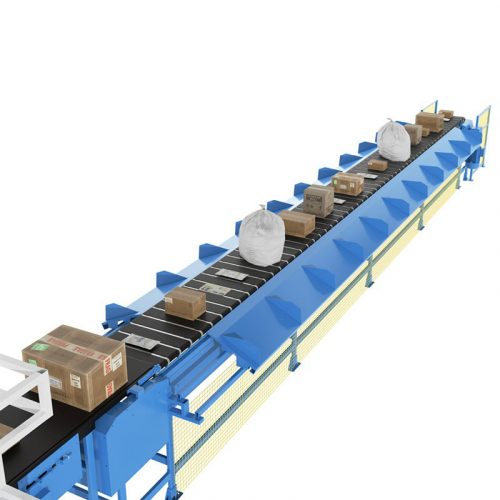
Narrow belt sorter
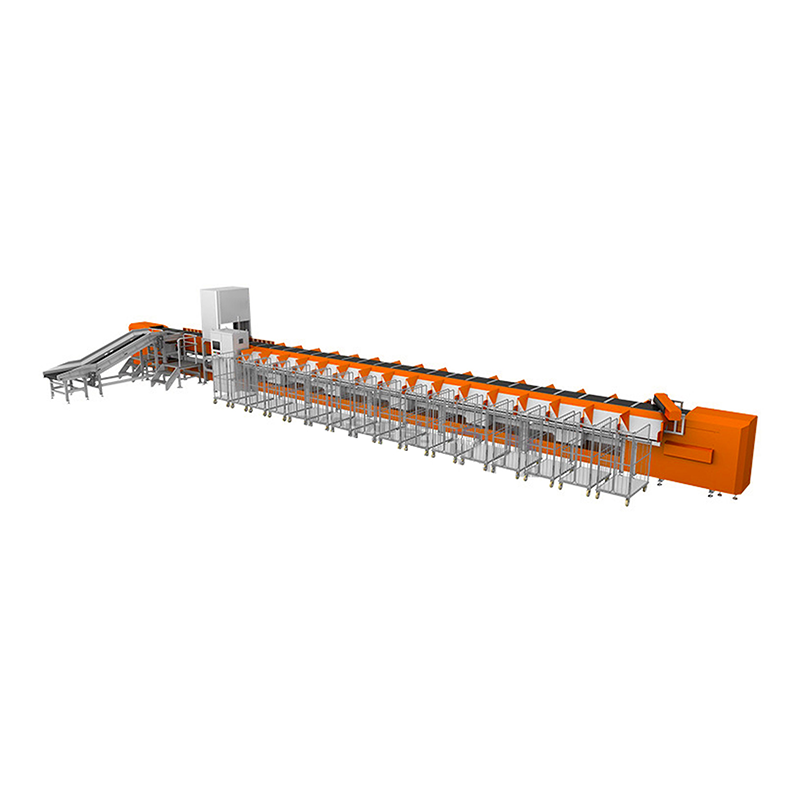
Cross belt sorter
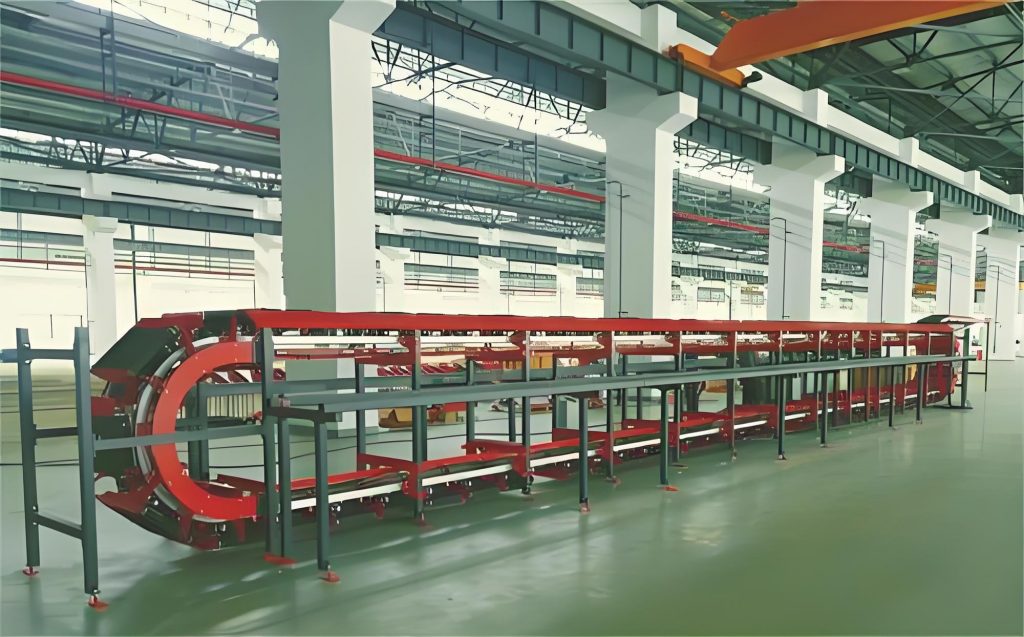
Tilt tray sorter
Sliding shoe sorter
3D sorter
Pop-up wheel sorter
Put wall sorting
The appropriate technology depends on the application.
2. Required Throughput
A line designed for 2,000 parcels per hour will generally have very different equipment requirements from one designed for 10,000 parcels per hour.
But throughput should be based on real operating requirements.
Peak volume matters just as much as average volume.
3. Number of Destinations
A system with 20 destinations is different from one with 100 or 200.
More destinations can affect the sorter layout, discharge equipment, controls and available space.
4. Parcel Characteristics
Size and weight matter.
So does packaging.
A line handling standardized cartons may be simpler than one handling a mixture of cartons, polybags and irregular parcels.
5. Scanning and Identification
Barcode scanning is commonly used in parcel sorting.
Some projects may require additional identification, dimensioning or weighing equipment.
These components add to the project scope.
6. Conveyor Configuration
The sorter needs to connect with the rest of the warehouse.
This may include:
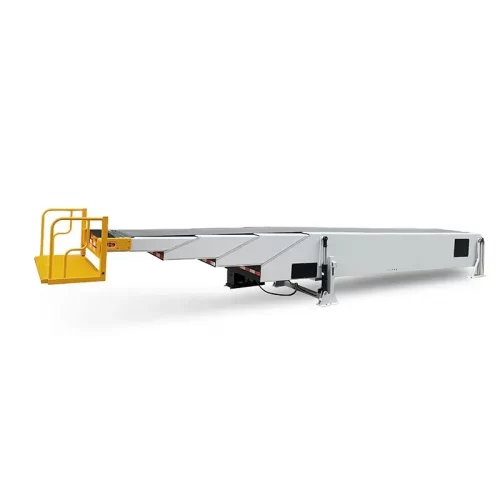
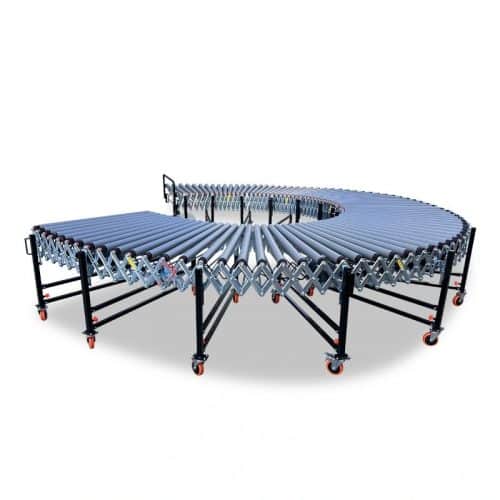
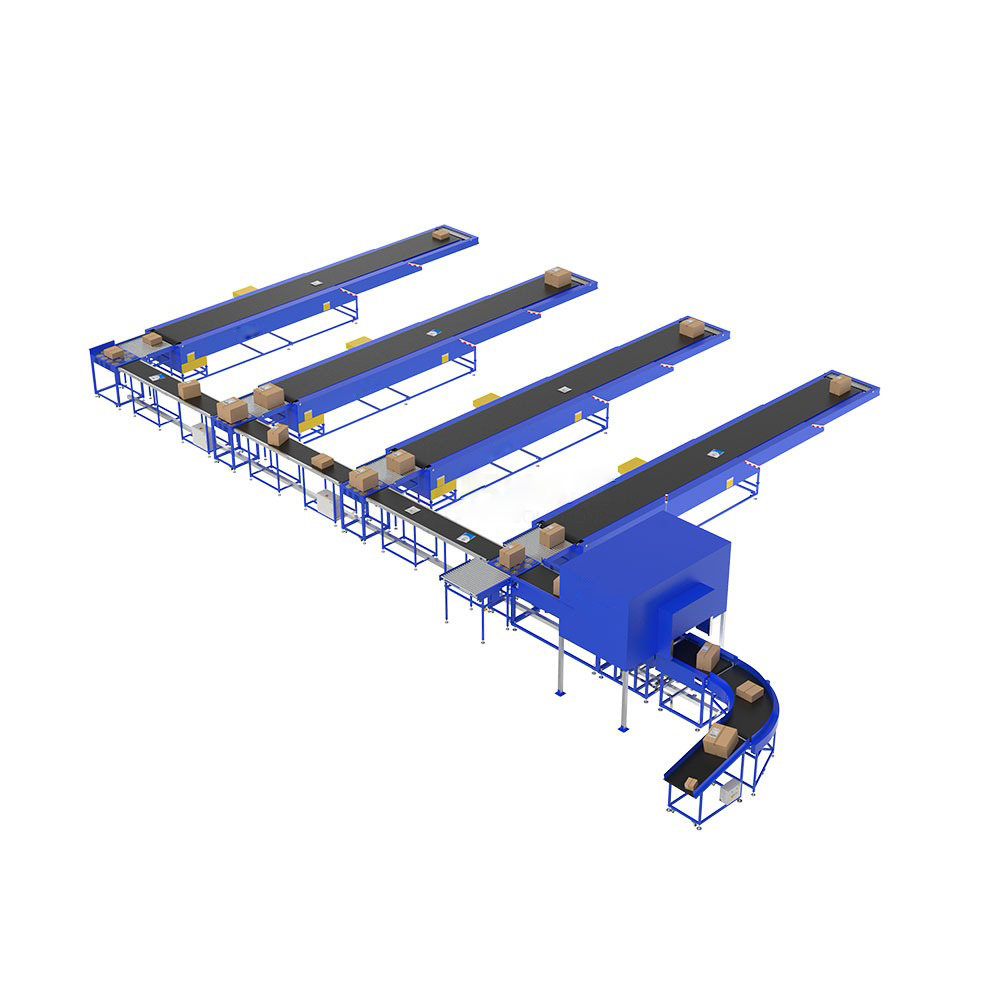
Induction conveyors
Accumulation conveyors
Merge conveyors
Destination conveyors
Chutes
Packing interfaces
Dispatch conveyors
The conveyor layout can represent a significant part of the project.
Software Integration Also Matters
If the warehouse already has a WMS, ERP or other software platform, the sorting line may need to exchange information with it.
The project may therefore include:
WCS integration
PLC controls
Barcode interfaces
Data communication
Order routing
Monitoring
A quotation that excludes software integration may appear cheaper initially but may not represent the final project cost.
Installation and Commissioning
Don’t forget installation.
Depending on the project, costs may include:
Mechanical installation
Electrical installation
Software commissioning
Testing
Operator training
Site acceptance testing
International projects may also involve travel, local labor and logistics.
Why Cheap Quotes Can Be Misleading
Suppose Supplier A quotes only the sorter.
Supplier B quotes the sorter, conveyors, scanners, controls, software interface, installation and commissioning.
Supplier A may appear significantly cheaper.
But the two quotations are not actually comparable.
Before comparing prices, compare the scope.
What Should You Give a Manufacturer?
If you want a meaningful quotation, prepare as much information as possible.
At minimum:
Parcel size range
Parcel weight range
Average volume
Peak volume
Number of destinations
Operating hours
Warehouse layout
Existing equipment
Software requirements
Country of installation
The more complete the information, the more realistic the quotation is likely to be.
Is a More Expensive Sorter Better?
Not automatically.
A warehouse processing 3,000 parcels per hour may not benefit from equipment designed for 15,000.
Buying more capacity than necessary can increase investment without creating proportional value.
On the other hand, buying too little capacity can become expensive when the warehouse grows.
The goal is not to find the cheapest sorter.
It is to find the right-sized sorting line.
That is what ultimately determines whether the investment makes business sense.
MSR Package Sorting Solutions
Typically replies within minutes
Let’s Build Your Smart Logistics Solution Together