Manual vs. Automated Parcel Sorting: When Should a Warehouse Make the Switch?
Manual sorting is not necessarily a bad solution.
In fact, many warehouses operate perfectly well with it.
The problem begins when the volume grows faster than the process can handle.
At that point, adding another worker may solve today’s problem but create another one tomorrow.
So when does it make sense to move from manual sorting to automated sortation?
Manual Sorting Has One Major Advantage
It is flexible.
A worker can pick up a product and immediately understand what needs to happen.
A new product can be introduced without changing the mechanical design.
A temporary customer can be handled without reprogramming a machine.
For small warehouses, this flexibility can be extremely valuable.
But Manual Sorting Has a Ceiling
As volume increases, repetitive work becomes difficult to scale.
Workers have to:
Read labels
Scan products
Walk between destinations
Move parcels
Check order information
Correct mistakes
The warehouse can add more workers, but floor space also becomes an issue.
More people need more working areas.
Traffic increases.
The sorting area becomes crowded.
Eventually, the problem is no longer simply labor.
It is organization.
What Changes With Automated Sorting?
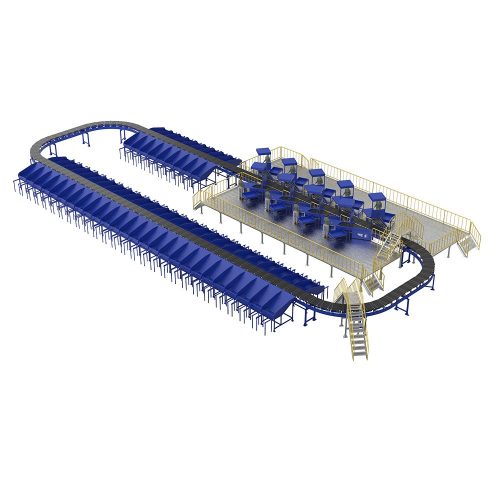
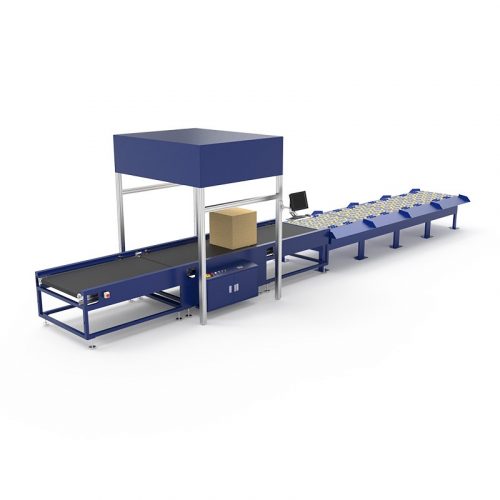
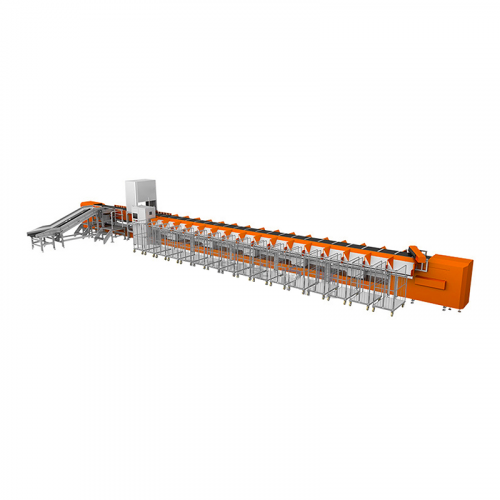
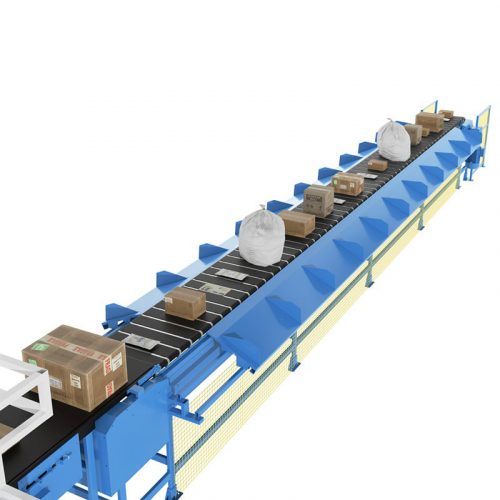
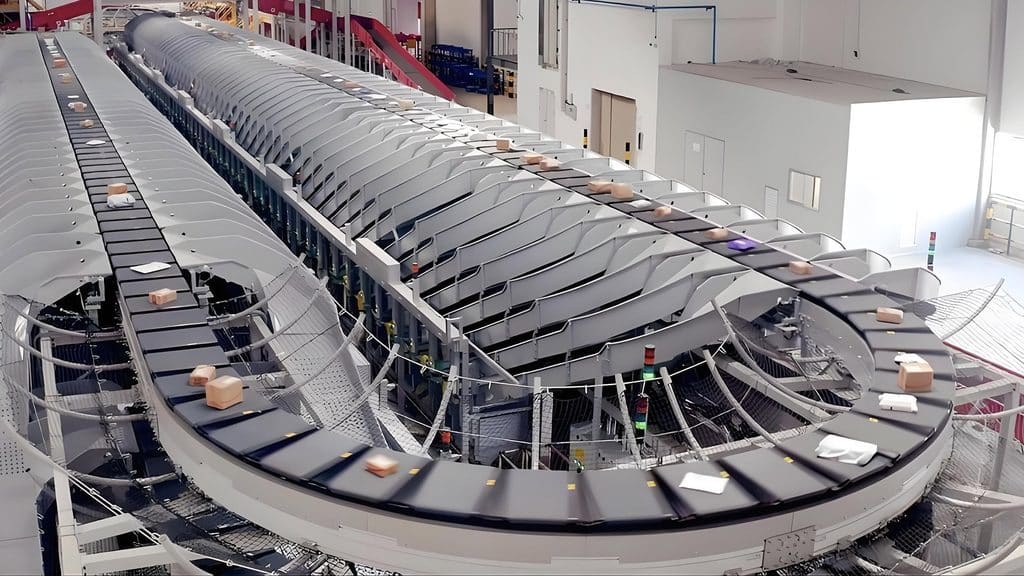
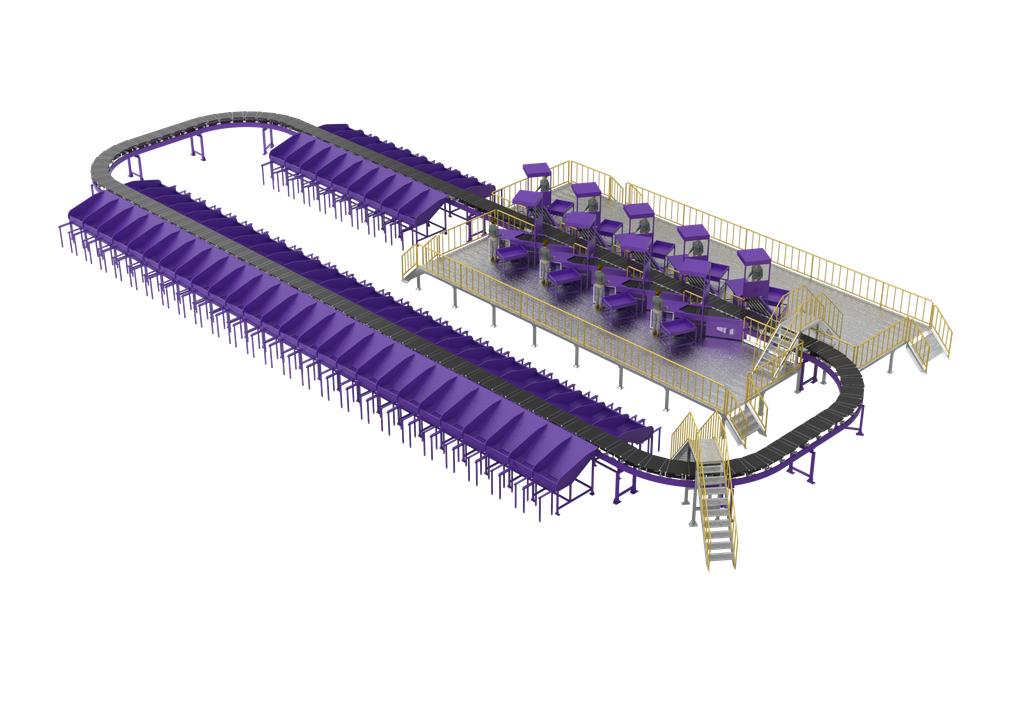
An automated sorting line takes over repetitive movement and destination decisions.
The basic process becomes:
Induction → Scan → Sort → Destination
Workers can then focus on induction, exception handling, packing or other tasks depending on the warehouse design.
The objective is not necessarily to remove people.
It is to remove unnecessary repetitive movement.
When Does Automation Start to Make Sense?
There is no universal number.
However, several signs are worth watching.
Your order volume keeps increasing.
If volume has grown every year, today’s manual process may not work next year.
Labor is becoming difficult to control.
High turnover and training requirements can make manual sorting expensive.
Sorting errors are becoming a problem.
A few mistakes may be manageable.
Hundreds of mistakes can create customer service problems.
The sorting area is becoming crowded.
If workers are constantly moving around each other, the layout may already be limiting productivity.
Peak season is painful.
If the warehouse needs a large temporary workforce every peak season, automation may provide a more predictable capacity.
Don’t Automate Everything at Once
This is an important point.
A warehouse does not need to become fully automated overnight.
It may be better to identify the biggest bottleneck first.
For one warehouse, that may be parcel sorting.
For another, it may be picking.
For another, packing.
If sorting is the bottleneck, investing in an automated sorter can make sense.
If sorting is not the problem, a sorter may simply move the bottleneck downstream.
Calculate the Business Case
Before investing, compare:
Current labor cost
Expected labor cost
Sorting error cost
Peak-season labor
Maintenance
Equipment investment
Expected operating life
Future volume
This provides a much more realistic picture than comparing equipment prices alone.
What About a Smaller Step?
Not every warehouse needs a large automated sorter.
A put wall, barcode-based sorting station, conveyor diverter or semi-automated solution may solve the problem at a lower investment level.
Automation should match the maturity of the operation.
The Right Time to Automate
The right time is usually not when the warehouse is already overwhelmed.
By then, everyone is too busy to change the process comfortably.
A better approach is to identify the bottleneck before it becomes critical.
If parcel volume is growing, labor is becoming expensive and sorting is consuming more space and time every month, it may be time to look seriously at automated parcel sorting.
The goal is not to automate because automation sounds impressive.
The goal is to build a warehouse that can handle tomorrow’s volume without making today’s workers work twice as hard.
MSR Package Sorting Solutions
Typically replies within minutes
Let’s Build Your Smart Logistics Solution Together