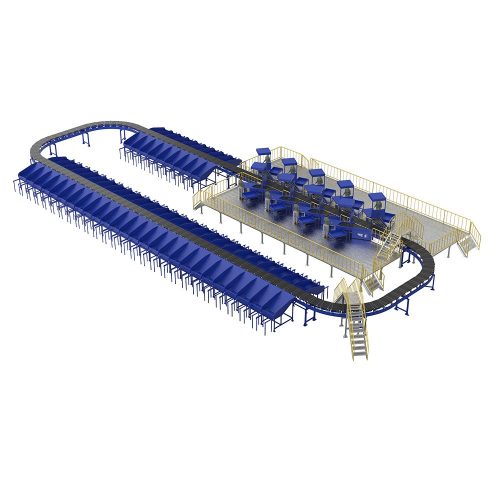
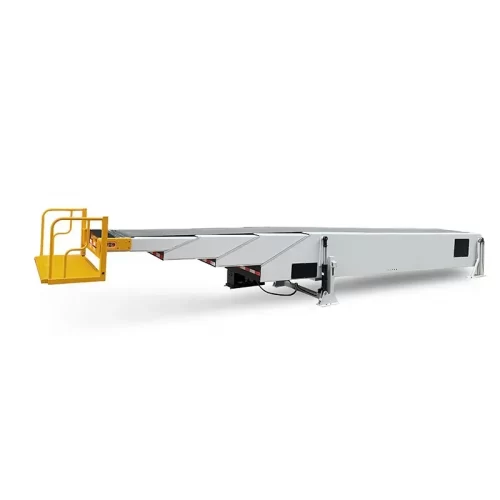
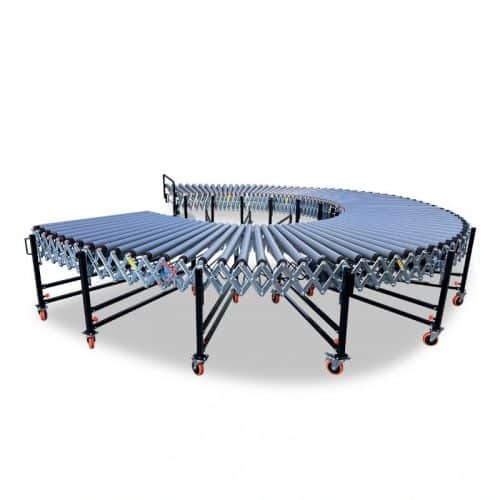
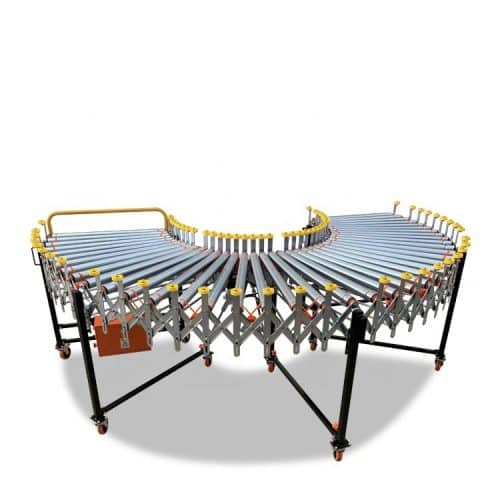
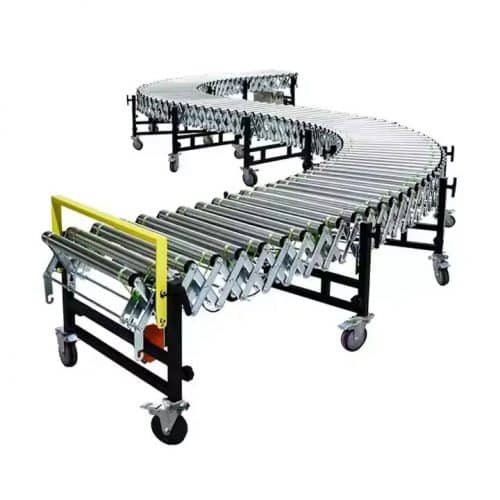
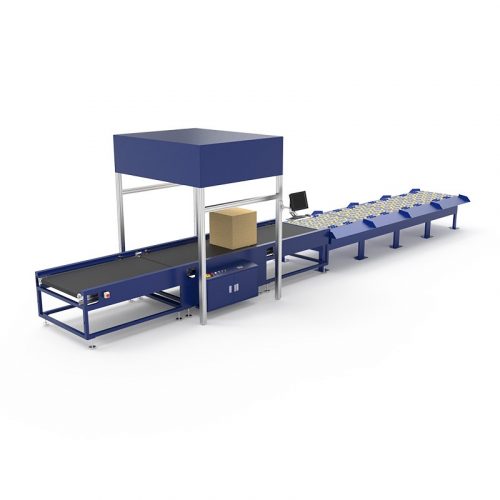
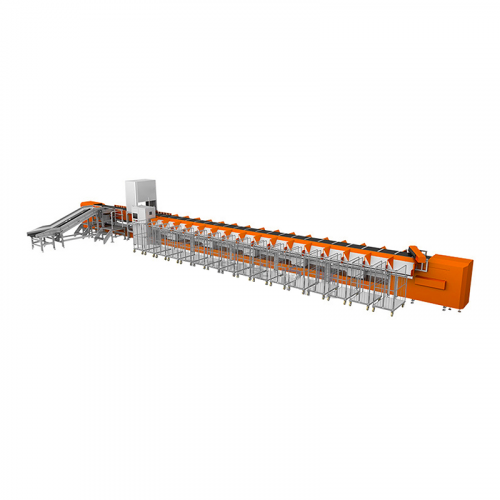
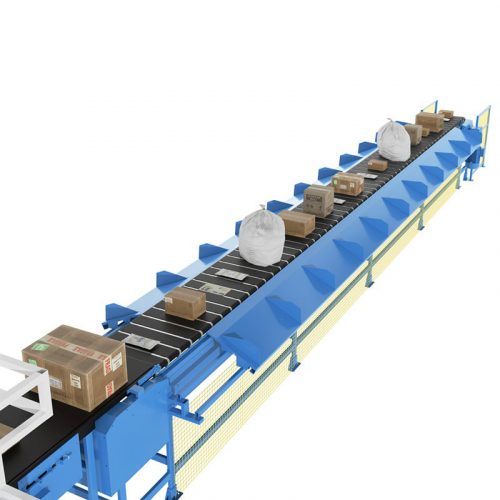
When people look at an automated sorting line, they usually notice the mechanical equipment first.
Conveyors.
Scanners.
Sorters.
Chutes.
But there is another part of the project that is less visible.
Information.
The equipment needs to know where each parcel should go.
That is where warehouse software and control systems become important.
What Does the WMS Do?
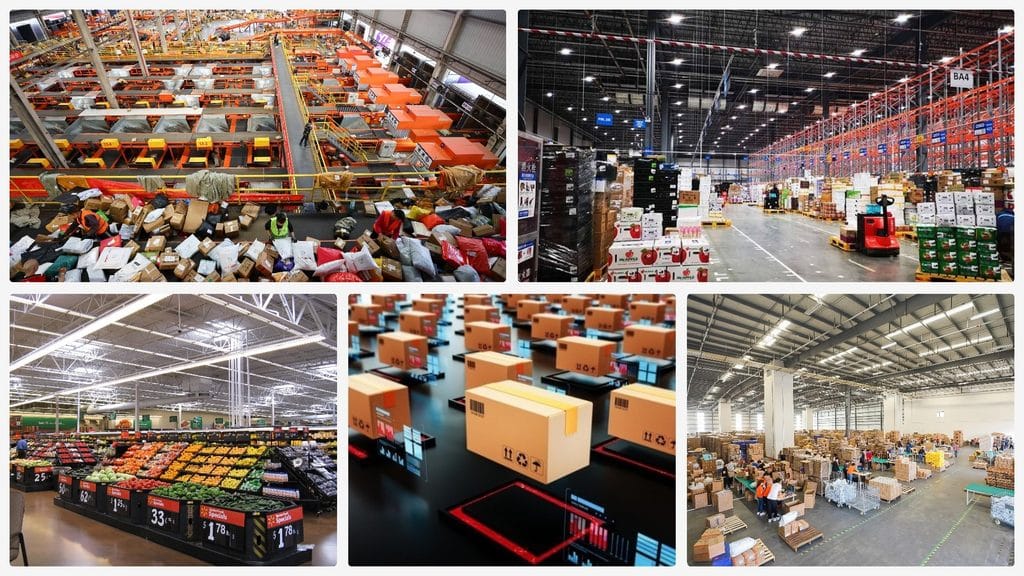
A Warehouse Management System, or WMS, is generally responsible for managing warehouse operations and inventory information.
Depending on the operation, it may know:
- What the order is
- Which products belong to it
- Where inventory is located
- What destination is required
- What shipment is being prepared
The WMS is therefore an important source of business information.
What Does the WCS Do?
A Warehouse Control System, or WCS, typically sits closer to the physical equipment.
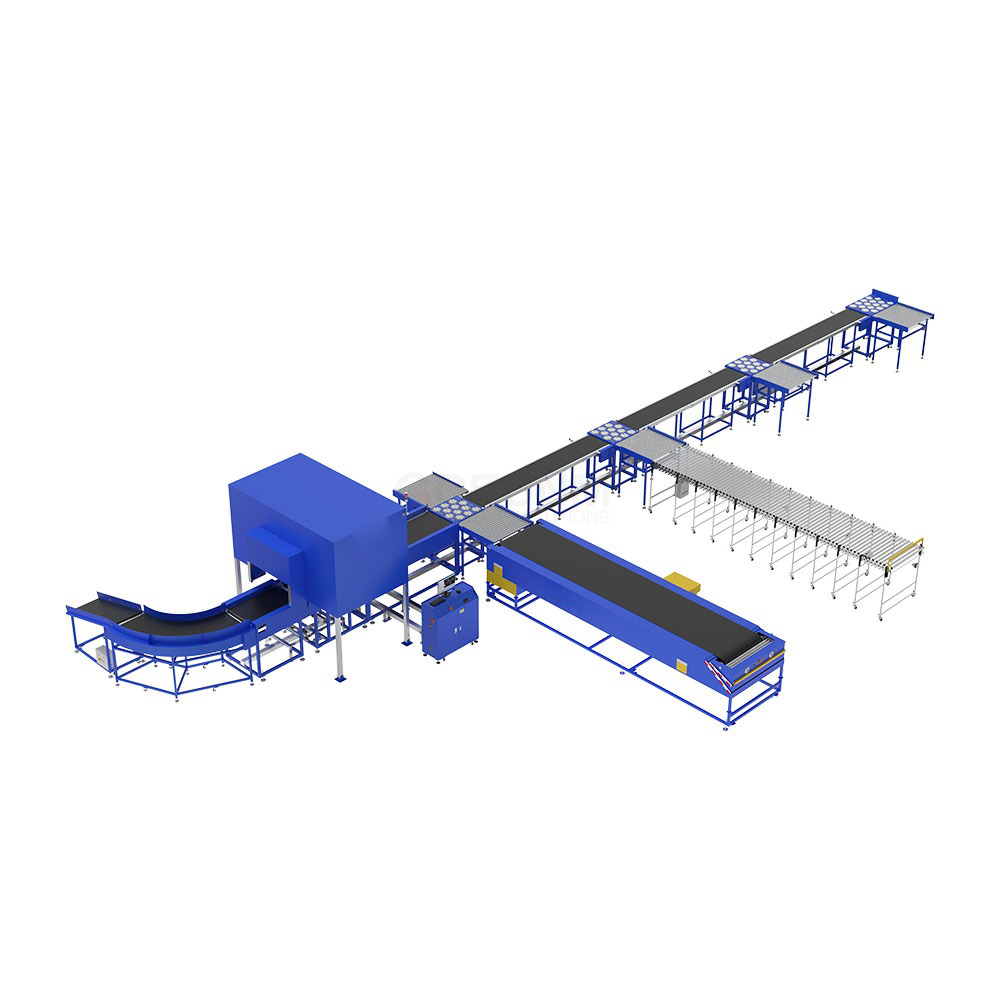
It helps coordinate material-handling equipment such as:
- Conveyors
- Sorters
- Scanners
- Diverts
- Merges
The exact architecture varies between projects.
The important point is that the physical equipment needs a reliable way to receive and act on sorting information.
A Simple Example
Imagine a parcel enters the conveyor.
The barcode scanner reads the label.
The parcel identification is associated with an order.
The control layer determines that the parcel needs to go to Chute 25.
The sorter then discharges the parcel at the appropriate location.
From the outside, the process looks simple.
Behind the scenes, several pieces of information need to be exchanged correctly.

What Happens If the Connection Fails?
The mechanical sorter may still be perfectly healthy.
But if the destination information is unavailable, the sorter cannot make the correct routing decision.
This is why integration testing is an important part of an automation project.
The exact data depends on the project.
Common information may include:
- Parcel ID
- Barcode
- Destination
- Order number
- Carrier
- Route
- Sorting status
- Exception status
The interface should be defined clearly before installation.
Why Should Integration Be Discussed Early?
Because changing the mechanical design is not the only possible project change.
Software interfaces can also affect:
- PLC logic
- Scanner configuration
- Destination mapping
- Exception handling
- Testing procedures
If integration is left until the final stage, unexpected problems can delay commissioning.
What Should a Warehouse Prepare?
Before contacting a sorter manufacturer, it helps to document:
- Existing WMS
- Existing WCS
- ERP or other software
- Barcode format
- Available communication interfaces
- Required destination logic
- Existing equipment
The manufacturer can then understand what needs to be connected.
The Physical and Digital Parts Need to Match
A sorter is ultimately moving physical products.
The software is telling it where those products need to go.
If either side is not correctly configured, the process fails.
That is why a successful sorting project requires both mechanical engineering and information integration.
The most useful approach is to define the complete process before selecting individual equipment.
The sorter, scanner, conveyor and control architecture should be designed as one workflow.