DWS Systems Explained: Dimensioning, Weighing and Scanning in Modern Parcel Sorting
Every automated sorting line is only as good as the data it receives. Before a parcel can be routed to the right chute, the system needs to know three things: how big it is, how heavy it is, and where it is going. That is exactly what a DWS system does.
DWS stands for Dimensioning, Weighing and Scanning — and DWS machines are built exactly around these three functions. In one pass, the machine measures a parcel’s three dimensions, captures its weight and reads its barcode, then passes all three data points to the sorting control system in a fraction of a second. It sounds simple — but it is the piece of equipment that makes accurate sorting, correct billing and trustworthy WMS records possible.
What Is a DWS System?
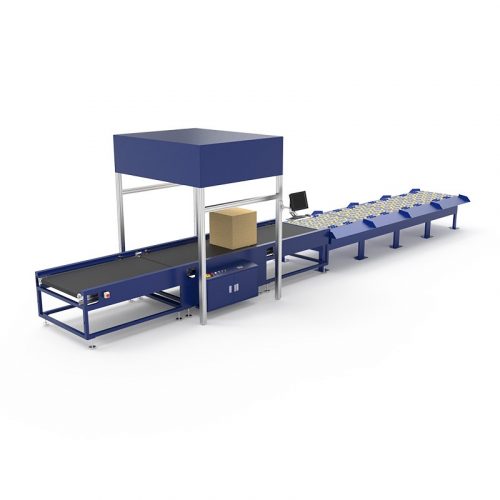
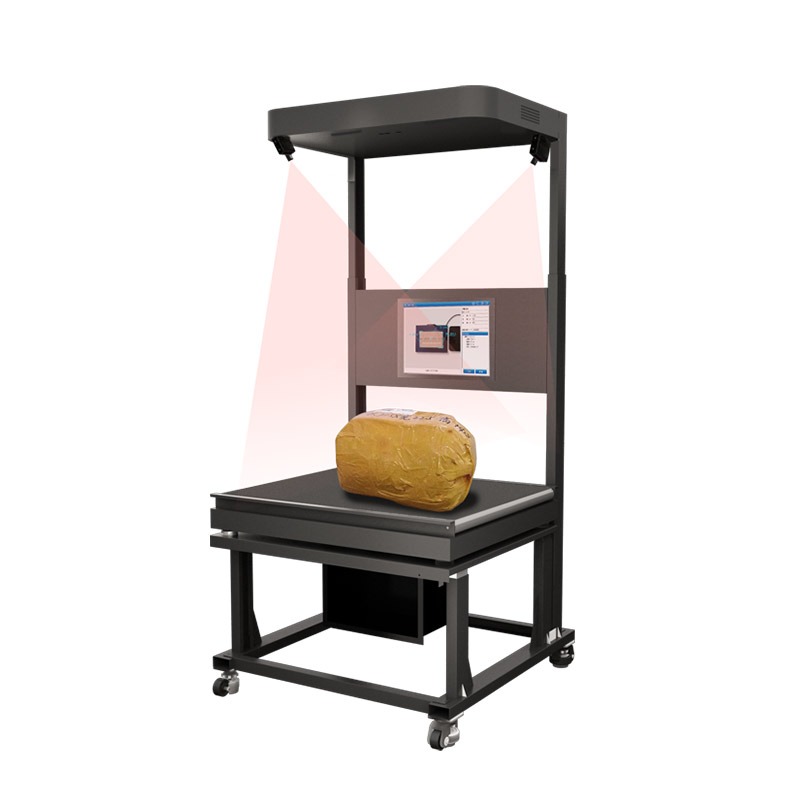
A DWS system is a measurement station built around a conveyor, equipped with:
Dimensioning sensors (laser, camera or infrared) that measure length, width and height without touching the parcel;
A weighing platform or load cells that record the exact weight of the moving parcel;
Barcode scanners (top and side) that read the label regardless of orientation;
A control unit that synchronizes all readings and sends the combined record downstream.
Depending on the model, a DWS machine can be static (operator places the parcel on the platform) or dynamic (parcel passes through on a conveyor at full line speed).
The Three Core Functions
1. Dimensioning (D)
Dimensioning measures the parcel in three axes. Two methods dominate the market:
Laser-based systems, which sweep the parcel with multiple light beams and reconstruct its outline;
Camera/vision-based systems, which use 3D cameras to build a volume model of the parcel.
The key output is volumetric weight — the shipping industry’s standard way to price parcels that are light but bulky. Volumetric weight is calculated as (length × width × height) ÷ a divisor (commonly 5,000 for international air and many courier tariffs). Without accurate dimensioning, you either undercharge and lose margin, or overcharge and lose customers.
2. Weighing (W)
Load cells or a dynamic weigh scale capture the parcel’s actual weight while it moves. Accuracy matters for two reasons: billing, and sorting integrity. Many sorters use weight thresholds to assign parcels to chutes (e.g., “over 30 kg goes to the heavy parcel lane”), so a wrong reading can send a parcel to the wrong destination — or overload a chute.
3. Scanning (S)
Scanners read the barcode — 1D (Code 128, EAN) or 2D (QR, Data Matrix) — from top and side cameras so the label does not need to face a single direction. The scanned ID is the key that links the physical parcel to its record in the WMS or OMS, which in turn tells the sorter which chute to use.
Where DWS Fits in a Sorting Line
DWS is installed before the sorter, typically at the induction point:
“ Parcel → DWS (dimension + weigh + scan) → data to sorter controller → diverter assigns chute “
Because the DWS record is created in real time, the sorter can route parcels correctly on the first pass — the same data chain that WMS, WCS and parcel sorting relies on. Without it, operators must key in dimensions manually — slow, error-prone and a constant source of billing disputes.
What You Gain from a DWS System
Billing accuracy: every parcel billed on measured volume weight and actual weight, not on guesswork;
Fewer disputes: couriers and customers argue over documented numbers, not memory;
Clean WMS data: the warehouse gets accurate inbound records automatically, improving inventory and storage planning;
Better sortation: weight and dimension data feed the sorter’s routing logic, reducing missorts;
Audit trail: each parcel has a time-stamped measurement record for compliance and claims handling.
Static vs Dynamic DWS
Feature
Static DWS
Dynamic DWS
Parcel handling
Operator places parcel on platform
Parcel flows through on conveyor
Throughput
Typically 300–600 parcels/hour per station
Typically 1,500–3,000+ parcels/hour
Footprint
Compact, desk or floor type
Longer, integrated into the line
Best for
Small depots, manual induction, multi-station setups
Automated sorting lines and high-volume hubs
Accuracy
Very high
High, with speed-dependent limits
Many mid-size operations start with static DWS stations and add a dynamic system when volume justifies a full sorting line.
Choosing a DWS System
Match the machine to the data you actually need:
Speed: measure your peak-hour rate and choose a dynamic unit that handles 20–30% headroom above it;
Accuracy: check the manufacturer’s published measurement tolerance (typical dimension accuracy is ±5–10 mm, weight accuracy within ±20–50 g on most dynamic units);
Parcel range: confirm the minimum and maximum parcel size the sensors can see — very small items and very long tubes both challenge sensors;
Environment: dust, lighting and vibration in the hall affect camera-based systems more than laser-based ones;
Integration: make sure the machine can output data in a standard format your WMS/WCS accepts.
Integration with Sorting Systems
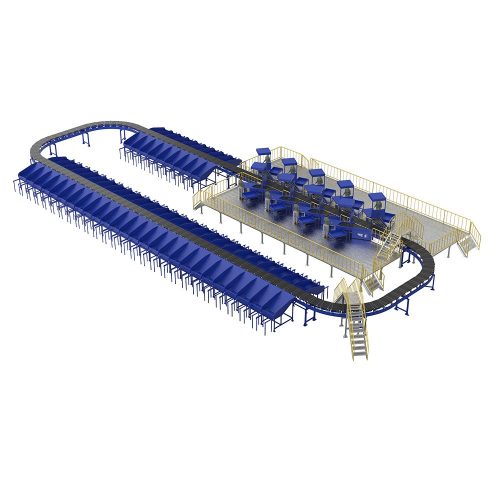
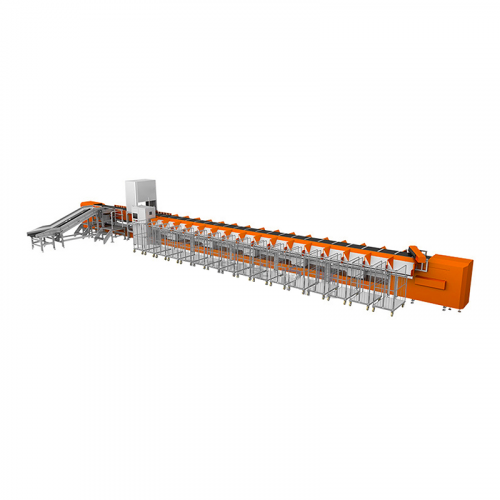
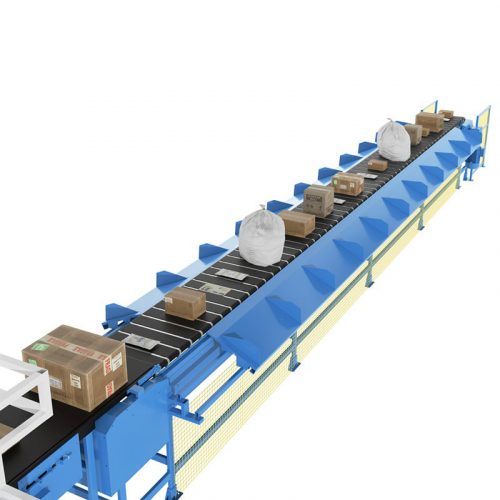
A DWS station is not an island. Its readings feed the sorting control system that drives loop cross belt sorter, linear or narrow belt sorters. When the three are specified as one line, the supplier can guarantee end-to-end behavior: measured at induction, routed correctly, billed accurately. That is why MSR designs DWS machines and sorting systems as a matched package rather than as disconnected components.
Final Thoughts
If you are still measuring parcels with a tape and a floor scale, every parcel that crosses your dock is leaking money — in underbilling, disputes, missorts and wasted labor. A DWS system pays for itself in the first few peak seasons by turning parcel measurement from a manual chore into an automatic, documented process.
MSR manufactures static and dynamic DWS machines, cross belt and linear sorting systems, and the control integration that links them. Send us your parcel profile and daily volume, and we will size the right DWS configuration for your line.